AI Image manipulation

I was working on a trip report for PN&R a few days ago and was figuring out which images I would include. I ran across this one, a pretty nice shot of Main Wall at Arcadia WMA in RI. It’s about 50 feet top to bottom, and very popular among climbers.
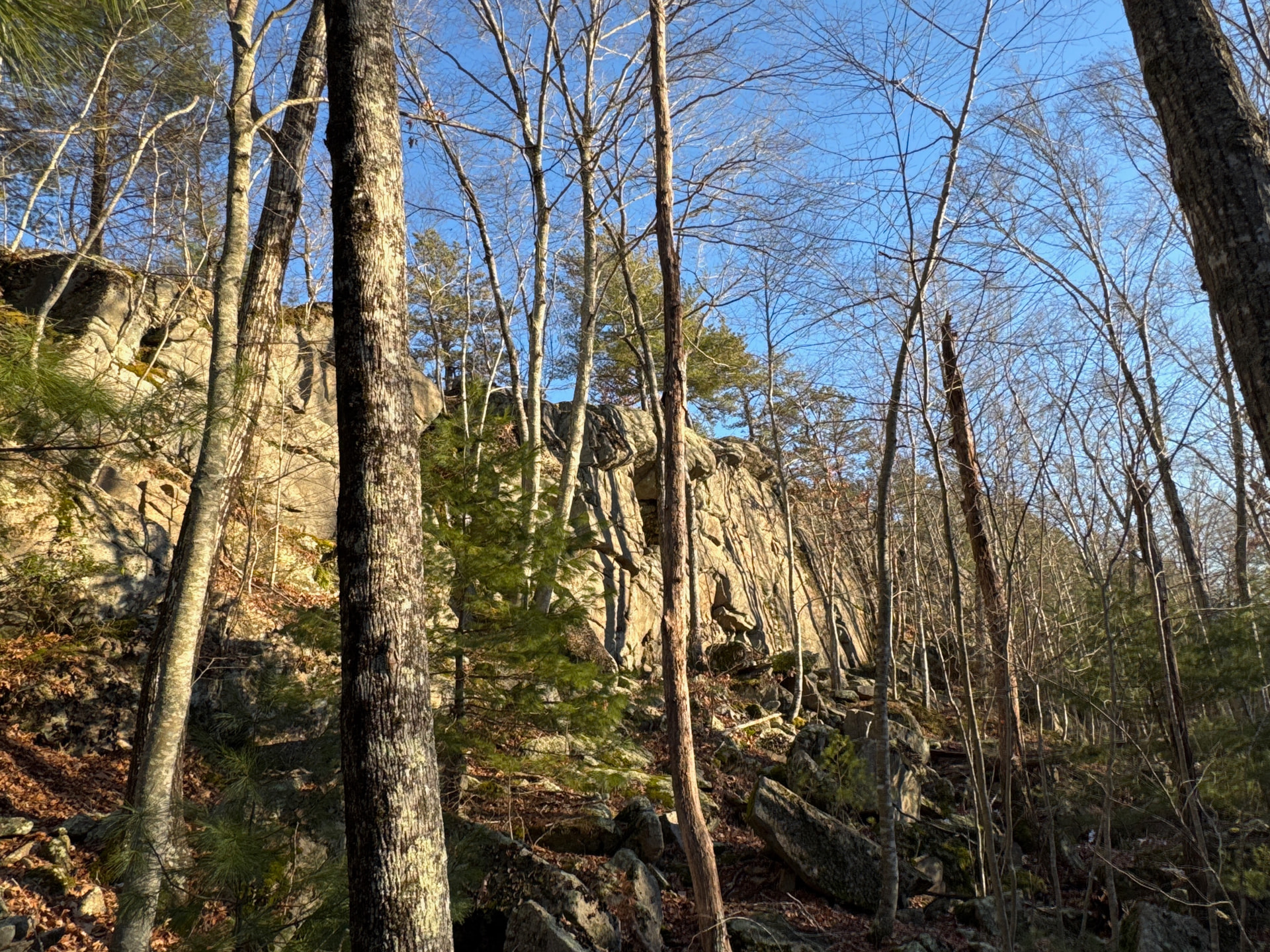
I didn’t have another shot but I remembered think at the time that I could maybe “fix it in post”, i.e. modify it later to clean it up a bit. My wife and I say this to each other all the time for a variety of situations, but it came from our habit of shooting digital images in RAW format and then ‘developing’ the images later in Lightroom or Photoshop, fixing things along the way.

If, for example, I burn the toast at breakfast, Colleen will point out that we can fix it in post…just scrape off the burned bits.

This is something I have always done in the past in Photoshop or Lightroom. I was a publisher for many years and it was often the case that images an author would include just weren’t suitable for publication, but a little time in Photoshop would get it right.

It’d take me at least half an hour to remove the big tree on the left in that image. You can do it in five minutes but it takes the additional time to get everything looking like the tree just never existed.

I decided to ask ChatGPT. Here’s the exact prompt:

Ada, would you try to remove the trees from the foreground in this image? I’d like to see the rock face more clearly.

And this was the result, which I used without modification:
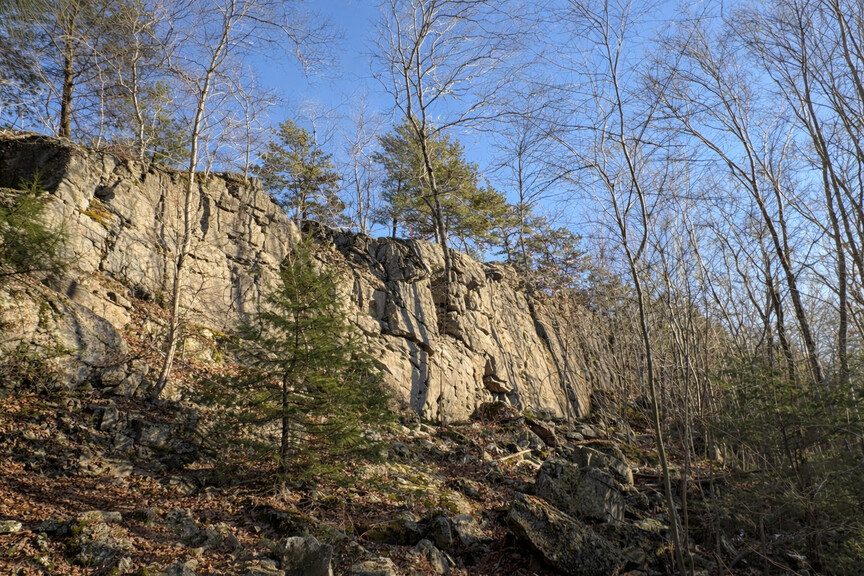
It took all of 15 seconds to generate.

So NOW the question becomes, How much manipulation can I do before I need to state that the image was manipulated?

I know that all of journalism is struggling with this, not just me.

I chose in this case not to state that the photo was manipulated. My reasoning was that it was an editorial decision to remove the tree, so that the picture better showed the subject.

Here’s another angle at the base of the cliff:
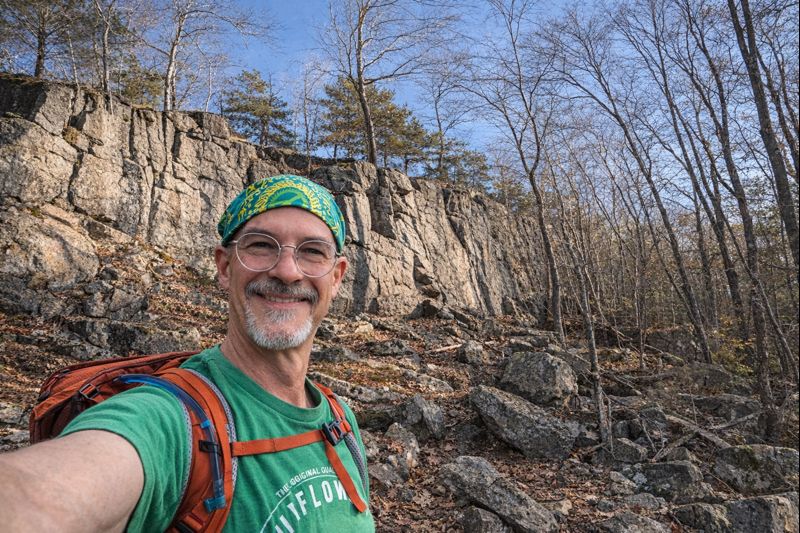
THAT image I would certainly flag as being manipulated, because it was chilly that day and I was wearing a coat and wool hat.

At least I was there. How about this one, I pulled a pic of a random activator off of QRP and said

Hmm. Ada, instead of me, let’s have this fellow operating more in the background, maybe sitting on a rock…
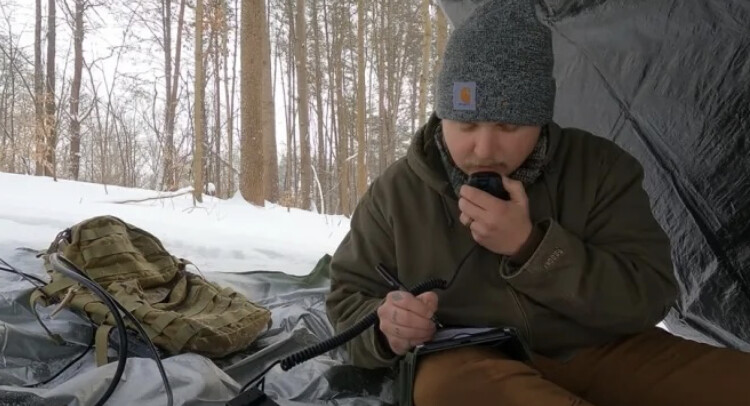
And this is what Ada came up with…
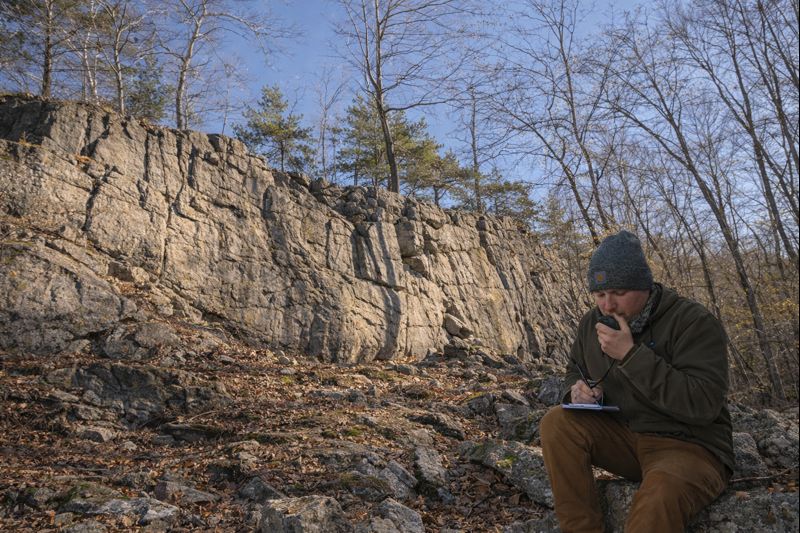
I’m sure you can see where it is going. To be honest, I’m having a hard time trusting any images I see online these days, especially if there’s an agenda being pushed.

2 Likes

My father taught me how to develop B&W film and make B&W prints when I was perhaps 11 or 12 years old, and I spent much of my youth and a considerable portion of my middle years doing my own B&W darkroom work. As one of my photo buddies put it, “I remember 1996. It was mostly dim and red.” I’ve taught private lessons on B&W gelatin-silver film development and B&W gelatin-silver printing. When digital printing with anything resembling decent quality became a feasible, I scanned negatives, manipulated the image digitally, and made digital prints. When digital image sensors advanced, I used a variety of digital cameras. I taught private lessons on how to use Photoshop and Lightroom. The idea that a photograph represents some neutral, dispassionate image of reality is an utter crock. Everything from the decisions of the photographer about which way to point the camera and when to let the shutter go through to the final image leads to a construction almost entirely independent of reality. Once you understand the process, you realize even the straightest of straight prints is a lie. I have made photographs that lie, not just once or twice but tens of thousands of times.

There has never been a time when a photographic print (or on screen image) was not a lie - ranging somewhere between an innocent but outright lie, and a bald-faced shameless whopper of a lie that is fundamentally intended to deceive the viewer. The only difference now is that before it took time and effort to learn how to make a photograph lie the way that you wanted, and now it’s possible for anyone to do it almost without effort.

I think in Photoshop. When I’m taking a picture I’m already thinking about what I need to do to it. That image of the rock face, I knew I was going to remove the tree when I snapped the shot.

If I’m just enhancing the image without substantially altering its story, I’m not mentioning it. Like you said, we do that on every single image we take. But if I change the story…I was here, this random dude was here…I think that’s a clear line I’m not crossing.

But what if I was there and the shot I took of me was blurry? Is it crossing the line to switch in a better image of me on that place? Today, after a glass of wine, I think I’m ok with that. I’m not changing the story, just fixing a defect in the original image.

And, of course, to Paul’s point, we are always changing the story, even as we snap the picture.